


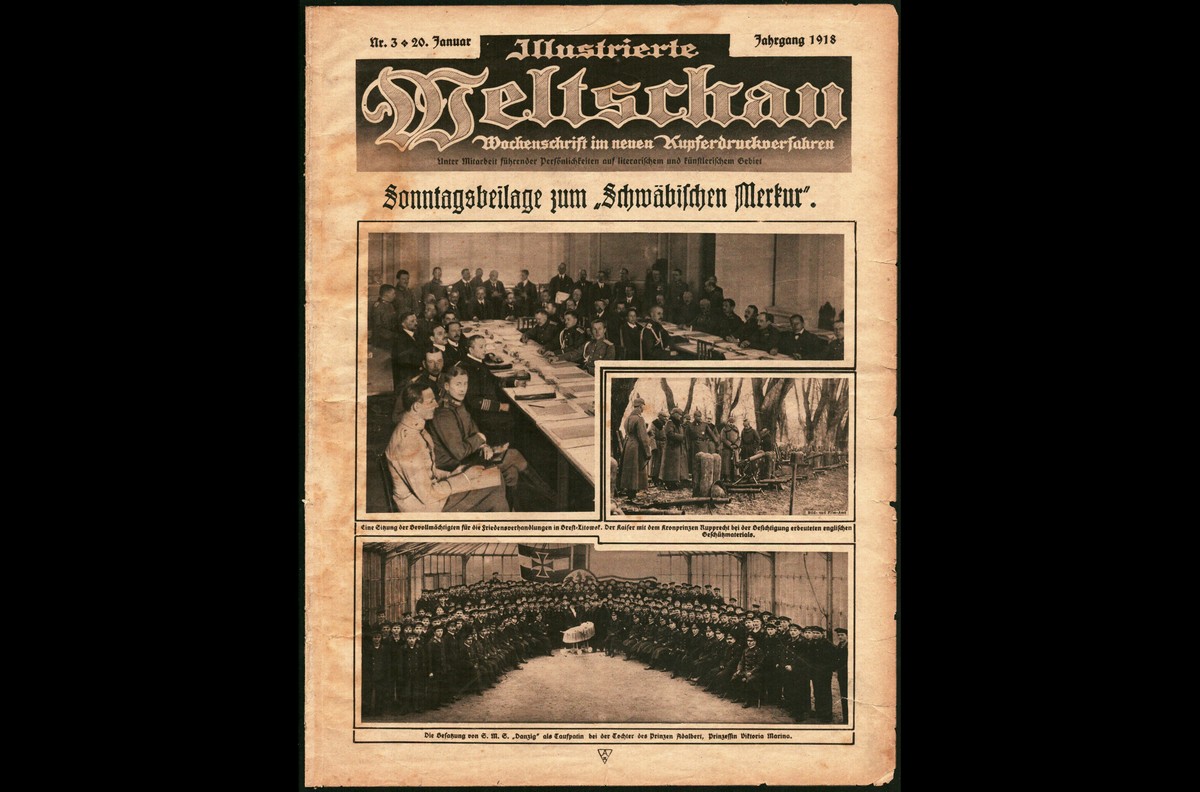
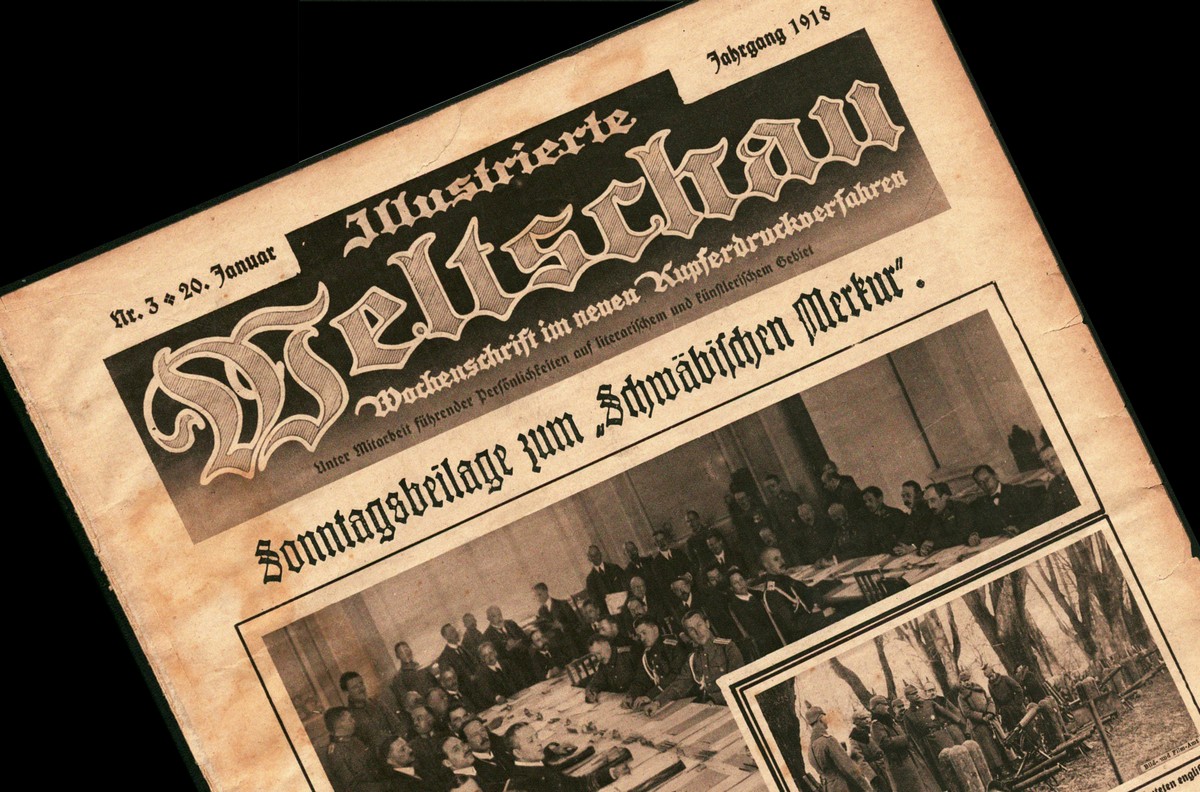
The weekly served as an illustrated supplement to the Schwäbischer Merkur ("Swabian Mercury"), a daily newspaper published in Stuttgart, Germany, from 1785 to 1941. The editor-in-chief of Illustrierte Weltschau ("Illustrated World View") was likely Friedrich Kabel. Broschek & Co, a Hamburg-based company, was responsible for its publication. Its founder, Albert Vincent Broschek, was a German publisher who, during the first quarter of the 20th century, produced many Hamburg magazines, including the Illustrierte Weltschau starting in 1913. He is renowned for introducing intaglio printing from copper plates. This technology enabled the production of high-quality photo illustrations for newspapers, leading to a significant increase in circulation.
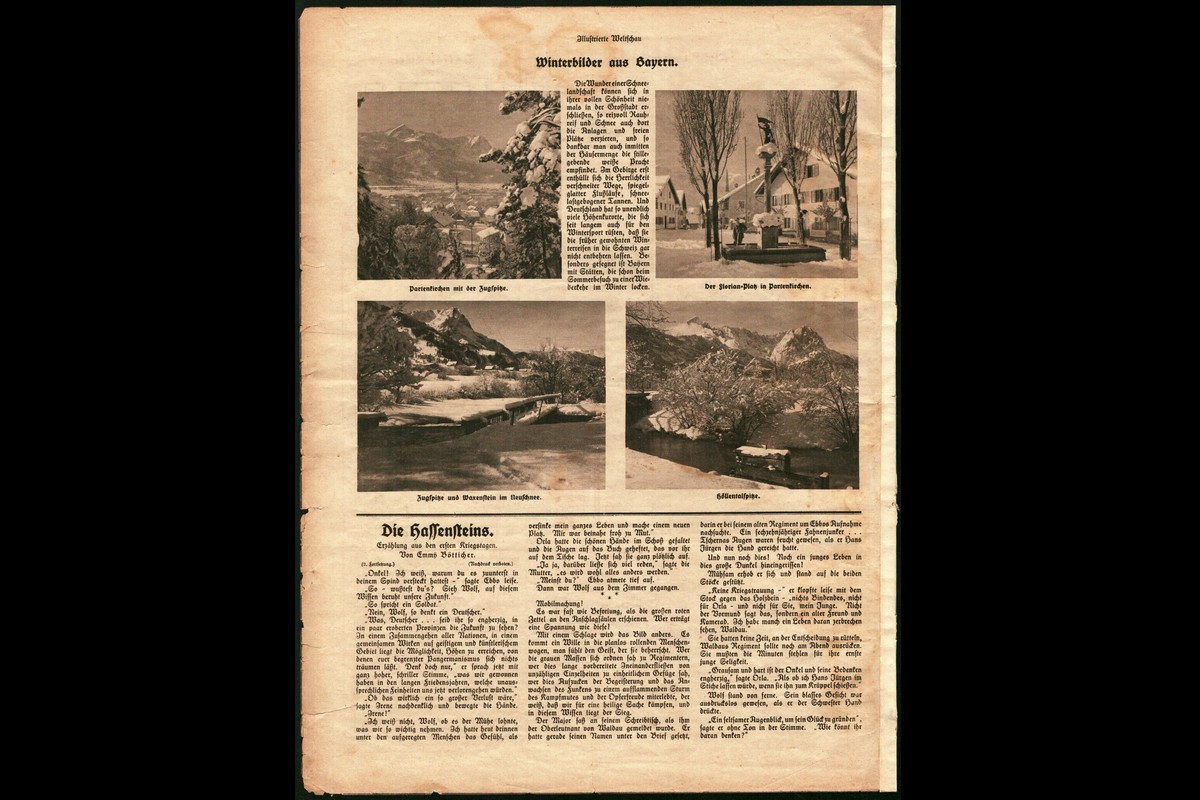
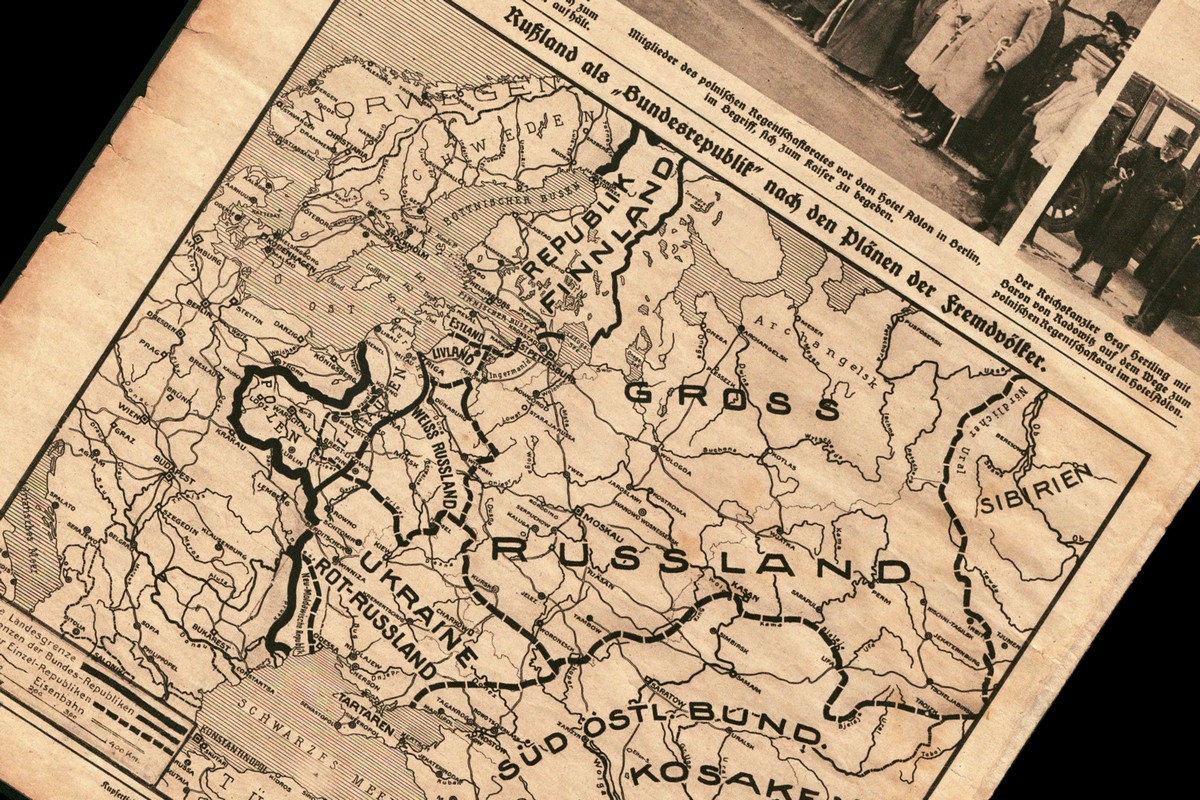
The document consists of two yellowed sheets with double-sided black printing, featuring photo illustrations and text. Issue No. 3 is dated January 20, 1918, and contains brief sketches of world political events. Specifically, the front page covers negotiations in the city of Brest (then Brest-Litovsk) between representatives of the Central Powers, the RSFSR, and the Ukrainian People’s Republic. The final page features a map reflecting the geopolitical situation in Northern and Eastern Europe following the fall of the Russian Tsardom. Additionally, there is a section dedicated to concise reports from the World War I fronts, alongside photographs of winter landscapes in Bavaria.