


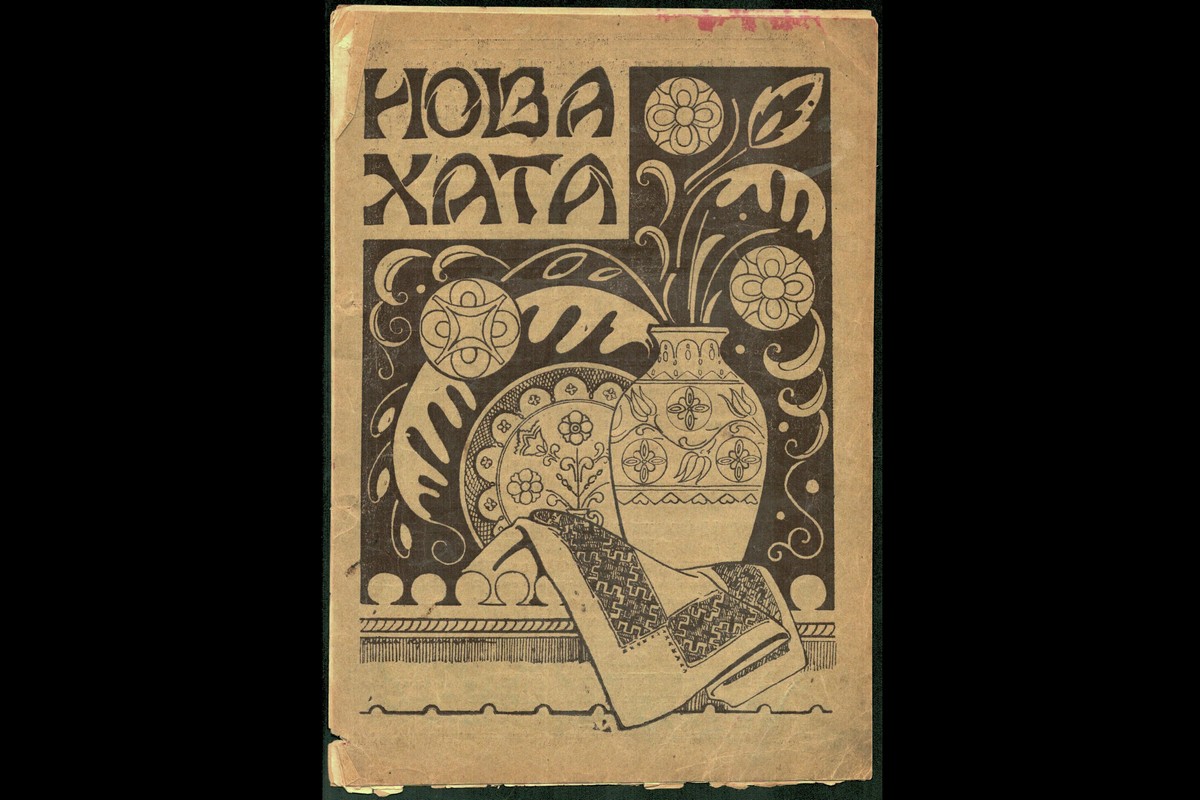
The magazine was founded on June 1, 1925, as a monthly publication. Starting in 1935, it transitioned to a biweekly format. For 15 years, it stood as the first Ukrainian magazine to successfully compete with Polish women’s periodicals. Originally dedicated to "fashions and household chores," by its second year, Nova Khata expanded beyond the standard women’s format to become a "magazine for cultivating home culture." The editorial board made significant efforts to popularize and develop Ukrainian folk art.
The founders of Nova Khata included Stefania Chyzhovych, Stefania Savytska, Olena and Olga Kulchytski, Maria Gromnytska, Solomiia Okhrimovych, Sofiia Fedak, Iryna Makukh-Pavlykovska, Dariia Bandrivska, Iryna Bonkovska, Iryna Lezhogubska, Stefania Montsibovych, and Maria Strutynska. The editorial office was located in Lviv at 18 Ruska Street. Mariia Gromnytska served as the first editor, followed by Mariia Furtak-Derkach at the end of 1926, and Lydiia Burachynska from 1930 to 1939.
With a circulation of 2,000 to 5,000 copies, the magazine enjoyed a large readership compared to other Ukrainian periodicals of the time. It was richly illustrated with photographs of cultural figures, artists, and models, alongside drawings of women’s accessories. The publication featured numerous embroidery patterns, as well as interior and clothing designs based on folk motifs. Professional dermatologists and gynecologists provided cosmetic and medical advice within its pages. Nova Khata also introduced readers to the work of prominent women, including writers, public figures, and scientists. Furthermore, the editorial board initiated highly popular debates regarding the role of women in society, their participation in public and cultural life, and the challenges of balancing a career with family life.
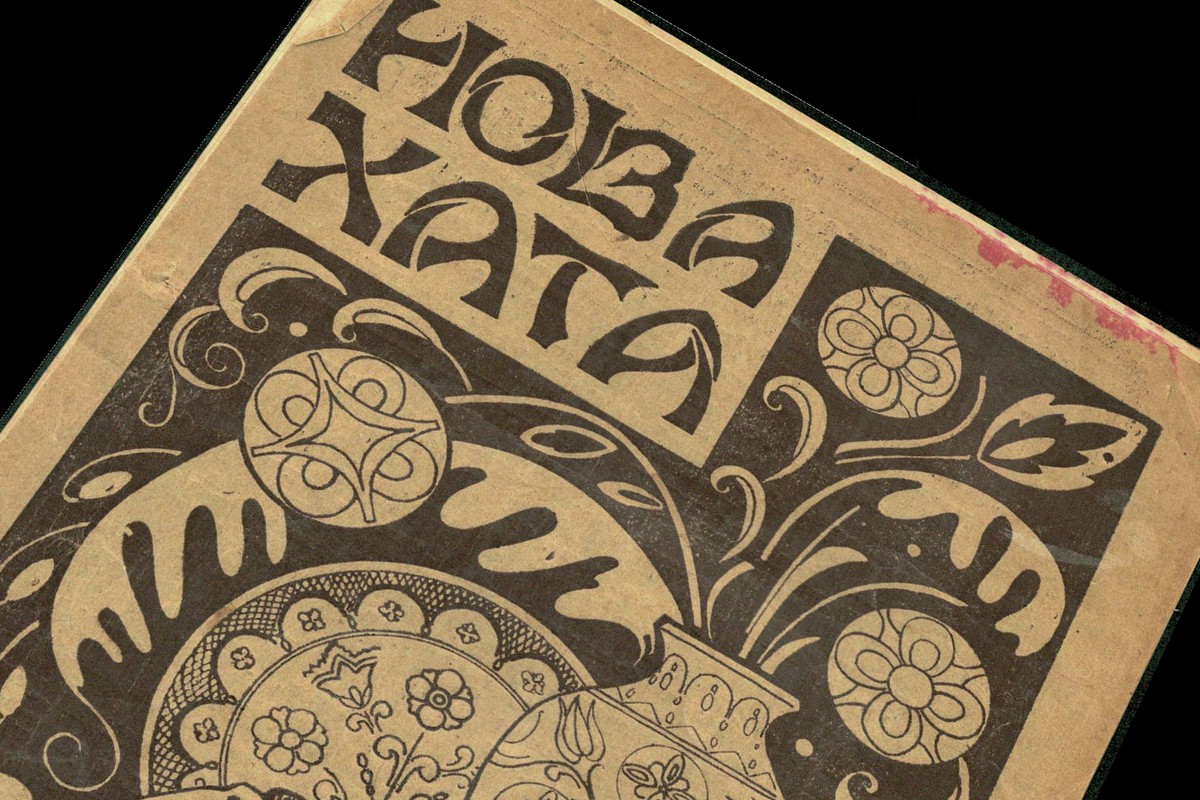
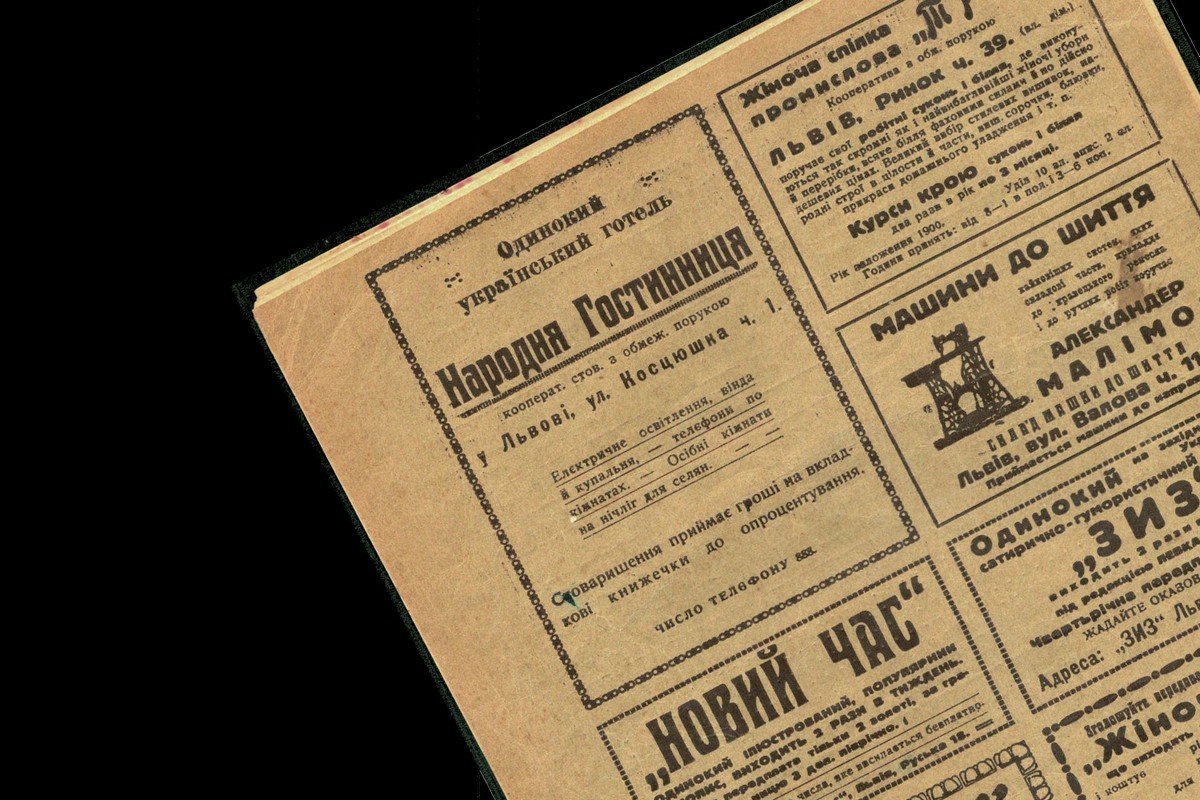
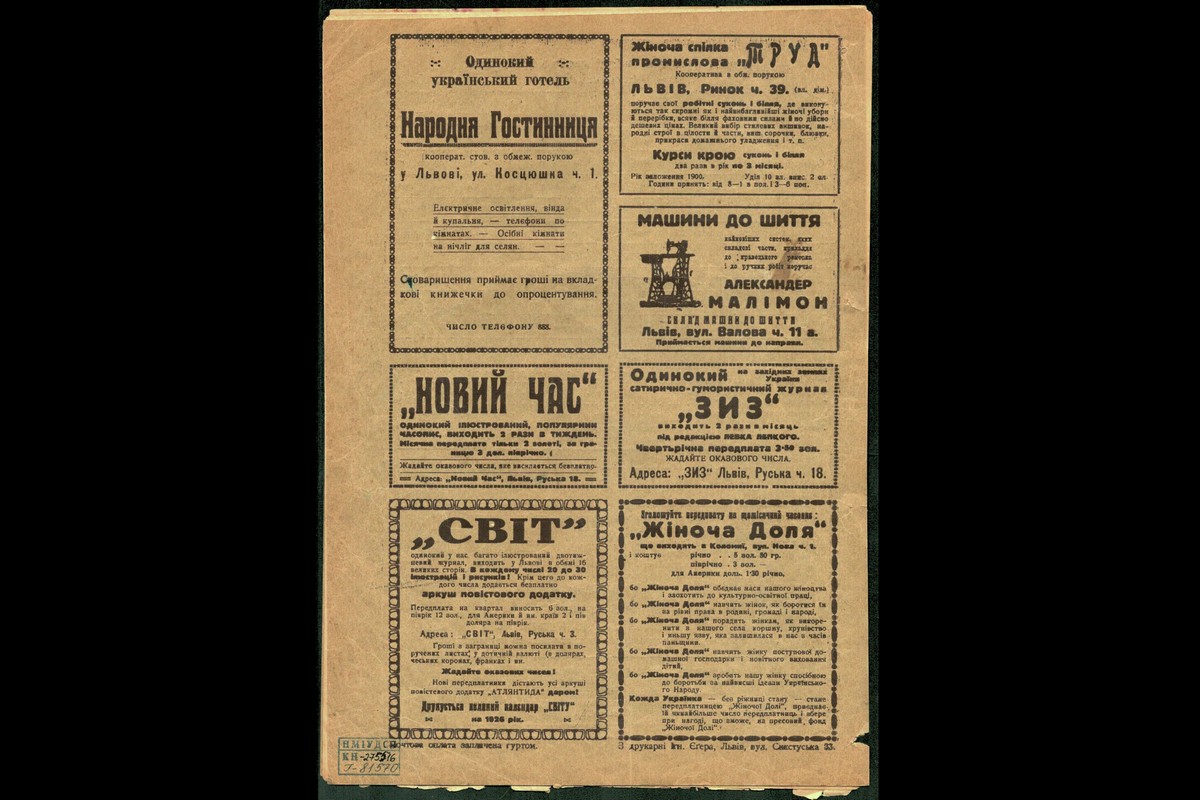
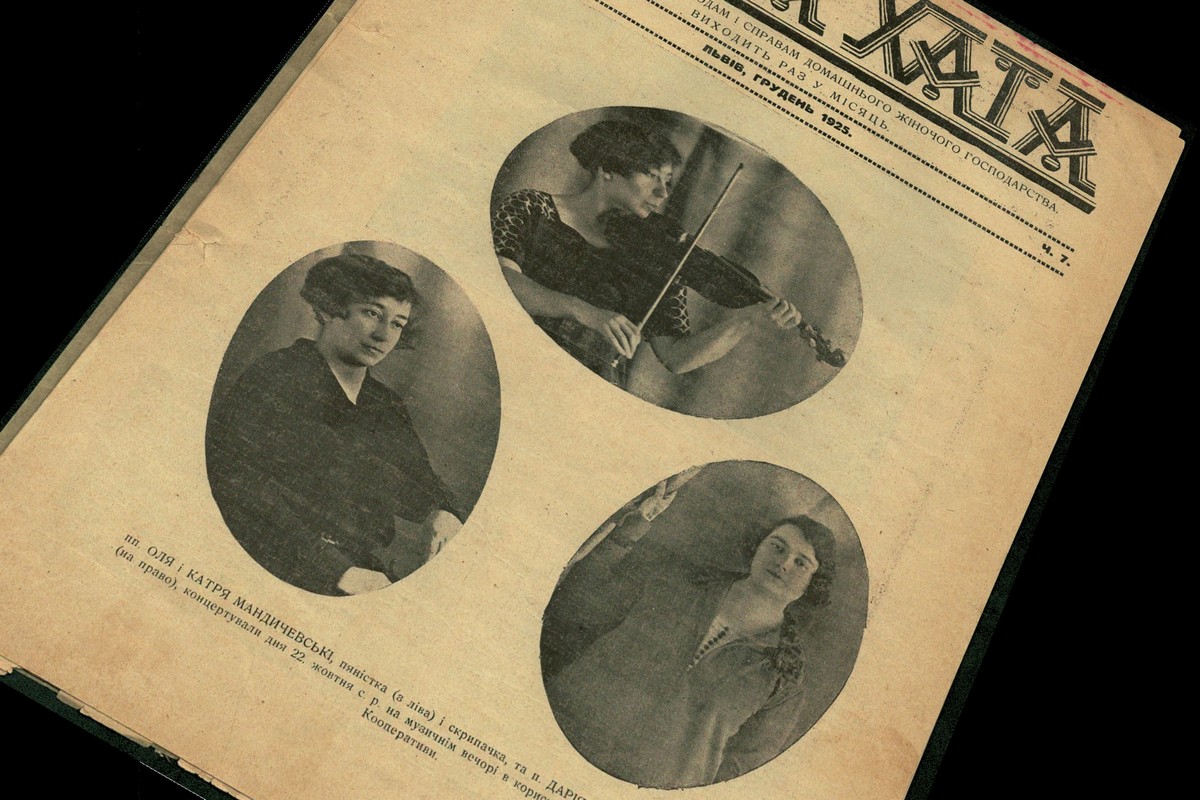
The magazine is presented in a gray-green soft cover adorned with stylized images of a flower vase, a decorated plate, and an embroidered towel; the title is positioned in the upper left corner. The 12-page issue includes various photo illustrations. Issue No. 7 from December 1925 contains articles on women’s involvement in public life in Czechoslovakia, Romania, and Poland, a description of the four temperaments, culinary recipes, housekeeping tips, and much more.