

War leaves its traces not only on human lives. Sometimes, its materials find their way into wildlife’s lives.
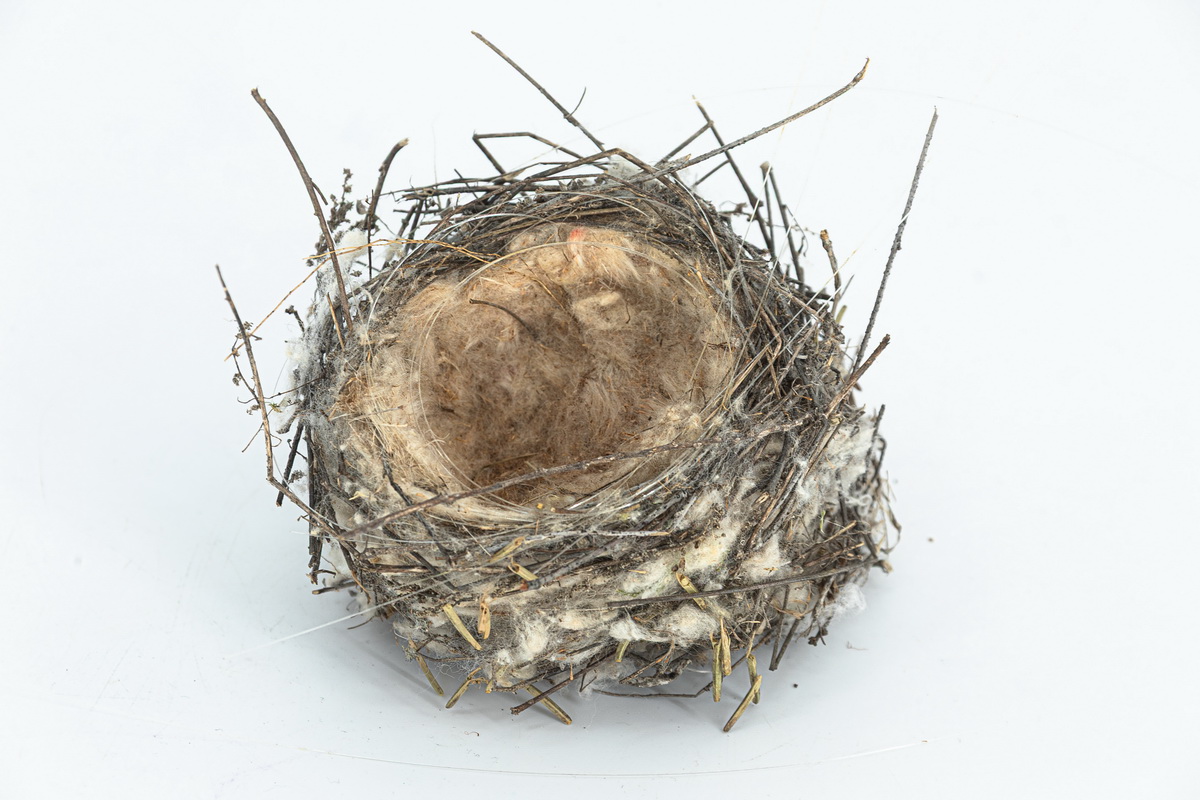
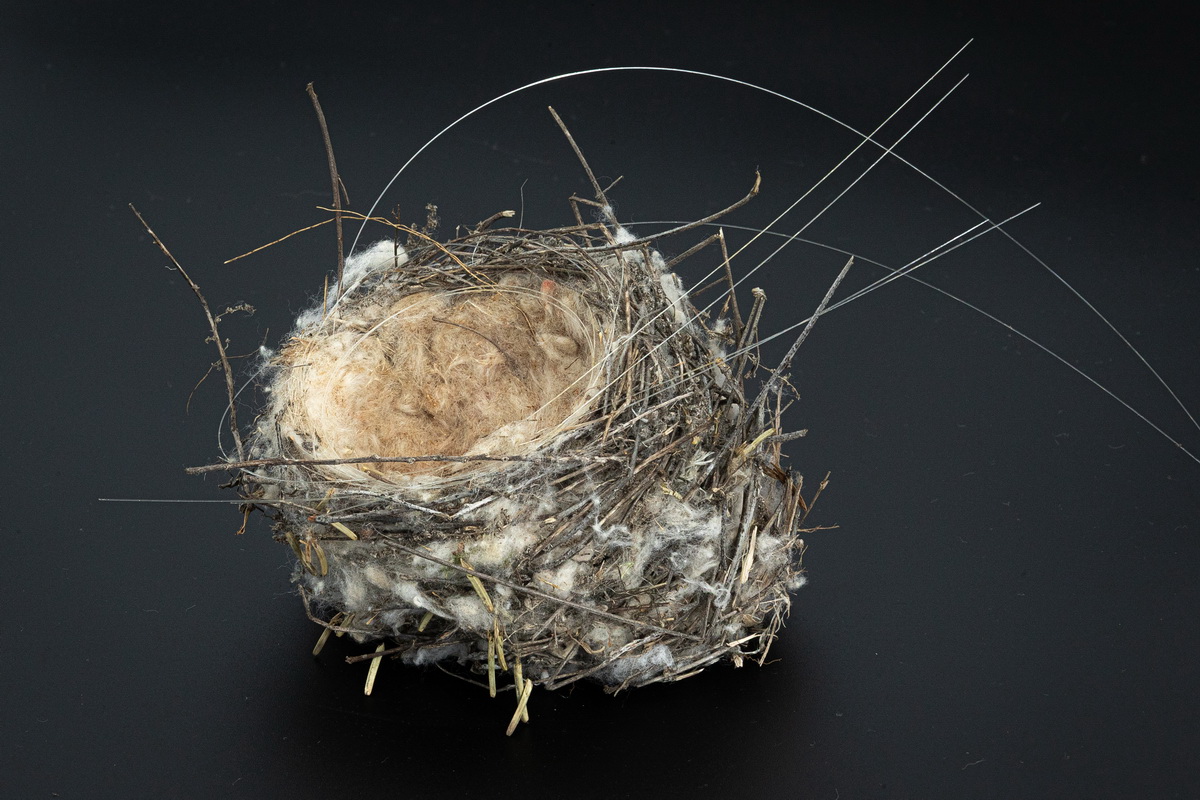
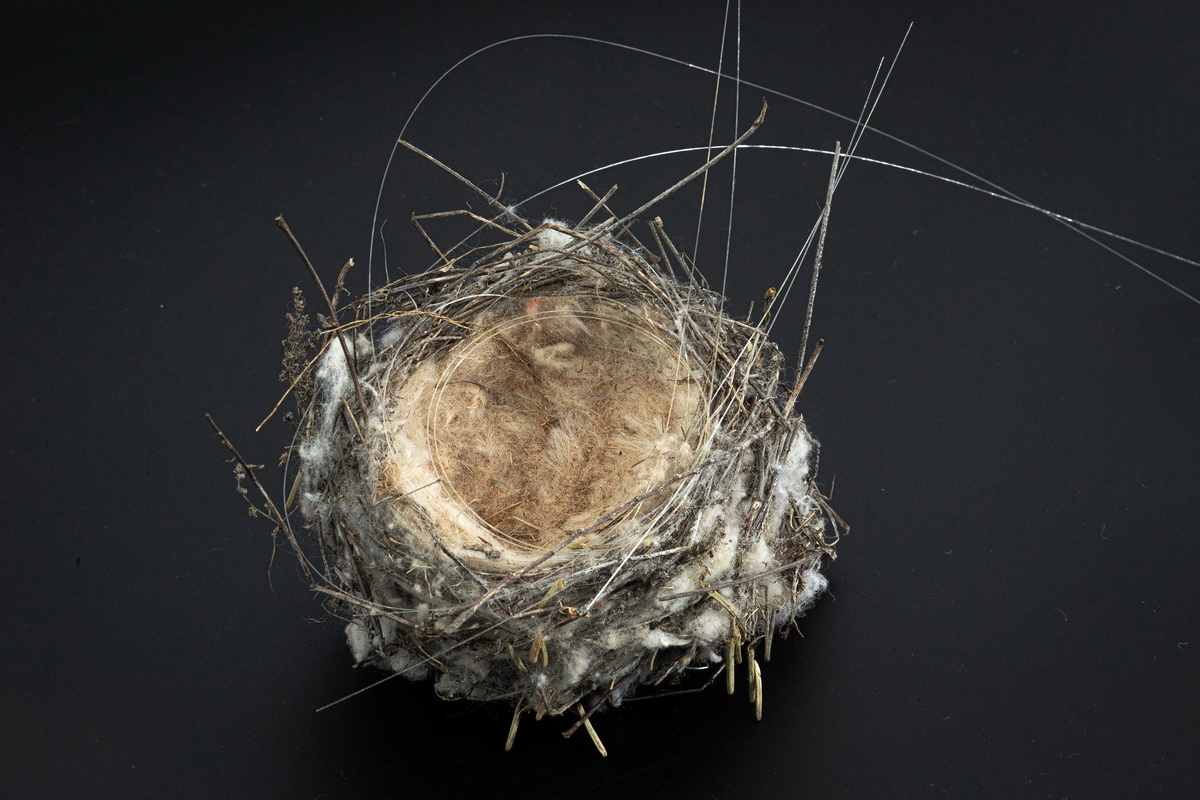
An unusual yet highly telling artefact has entered the War Museum’s collection: a bird’s nest partly woven with fibre optic cable used to control drones on the front line.
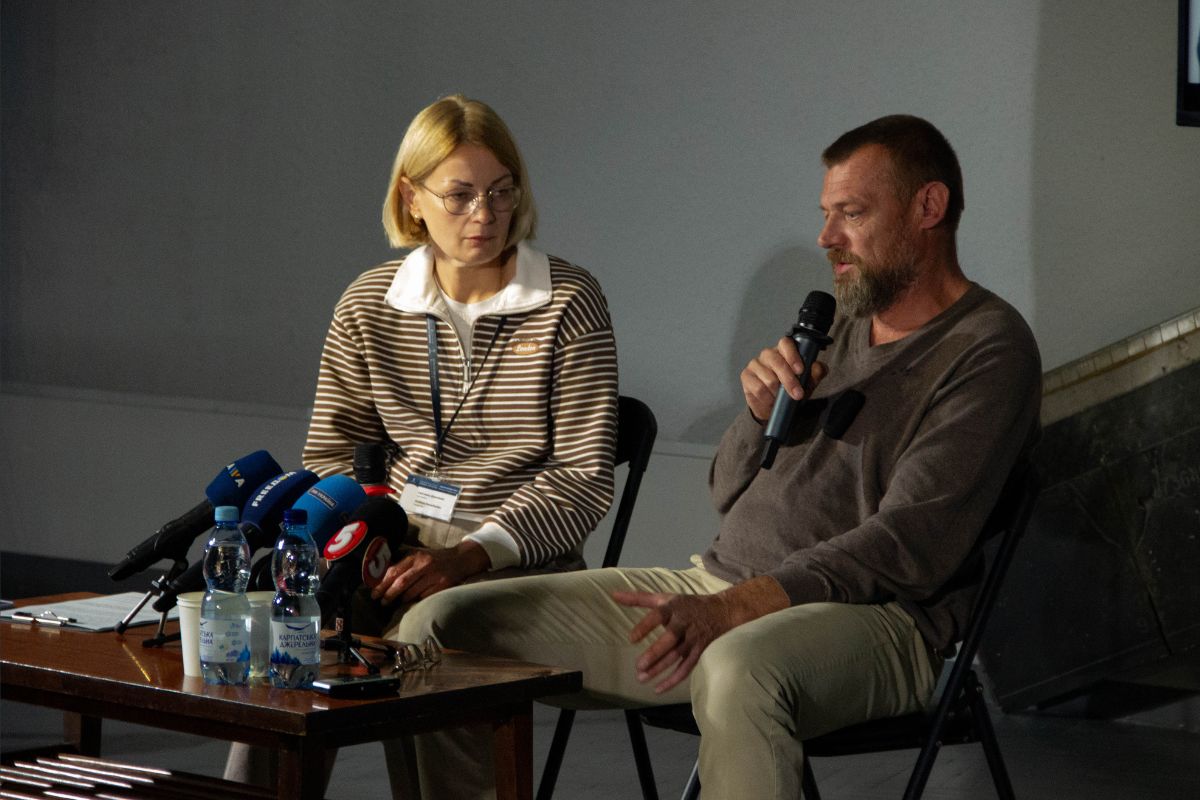
The nest was found and donated to the Museum by Mykhailo Mlechko, an operator-gunner of the Border Guard Detachment “Hart”. He discovered it while carrying out combat missions near the village of Chorne in the Kupiansk district, Kharkiv region.
“I realised that such an object had value, so I decided to preserve it,” the serviceman recalls.
In different countries around the world, researchers have repeatedly documented birds using human-made materials to build their nests. In the context of the russian-Ukrainian war, fibre optic cable from drones has become one such material, a technology now widely used on the battlefield.
The value of this exhibit lies not only in its unusual nature. It is a rare material testimony to how war changes the environment and affects even wildlife. In this small object, two worlds come together: the high-tech warfare of the 21st century and the natural instinct to create life.
The nest has already attracted the attention of the international community. It was documented by French photojournalist Gaëlle Girbes for the documentary project “Ecocide in Ukraine”, which is planned to be presented at the international photojournalism festival Visa pour l’Image.
Such artefacts remind us that war changes not only cities and human lives. Its traces remain in landscapes, ecosystems, and even in the materials from which birds build their nests.