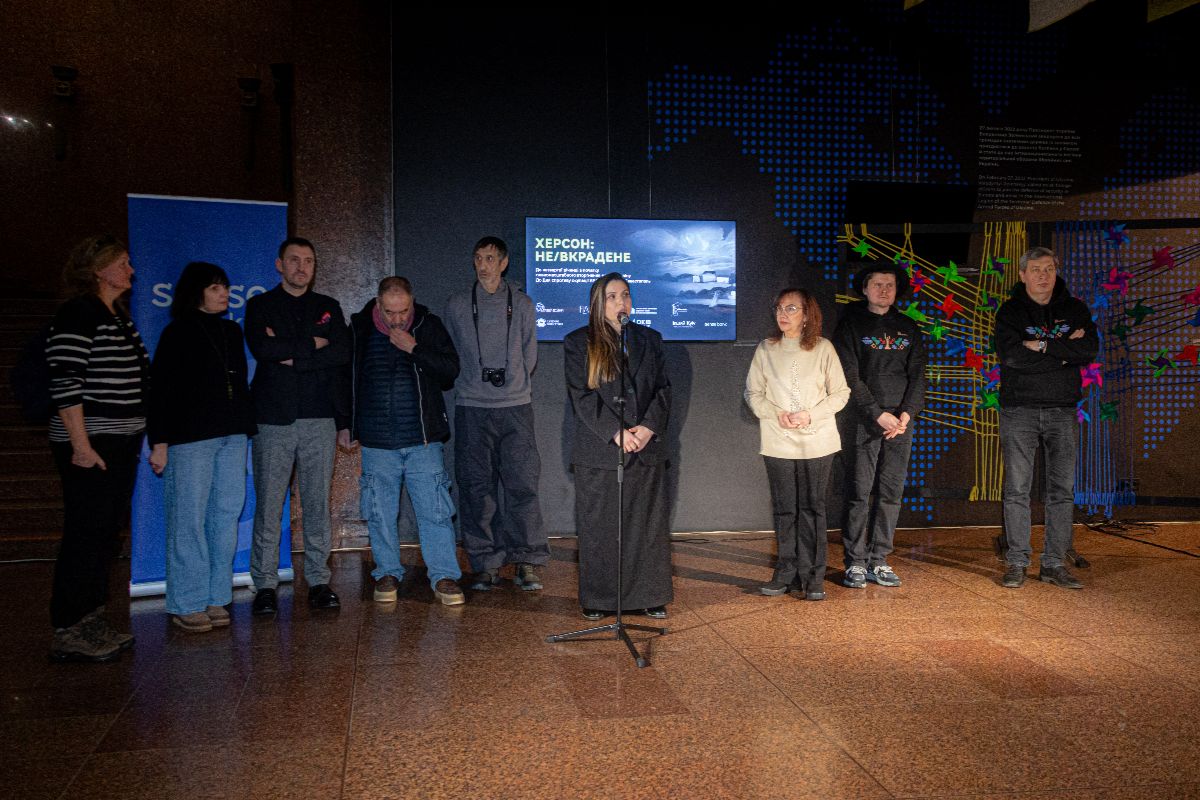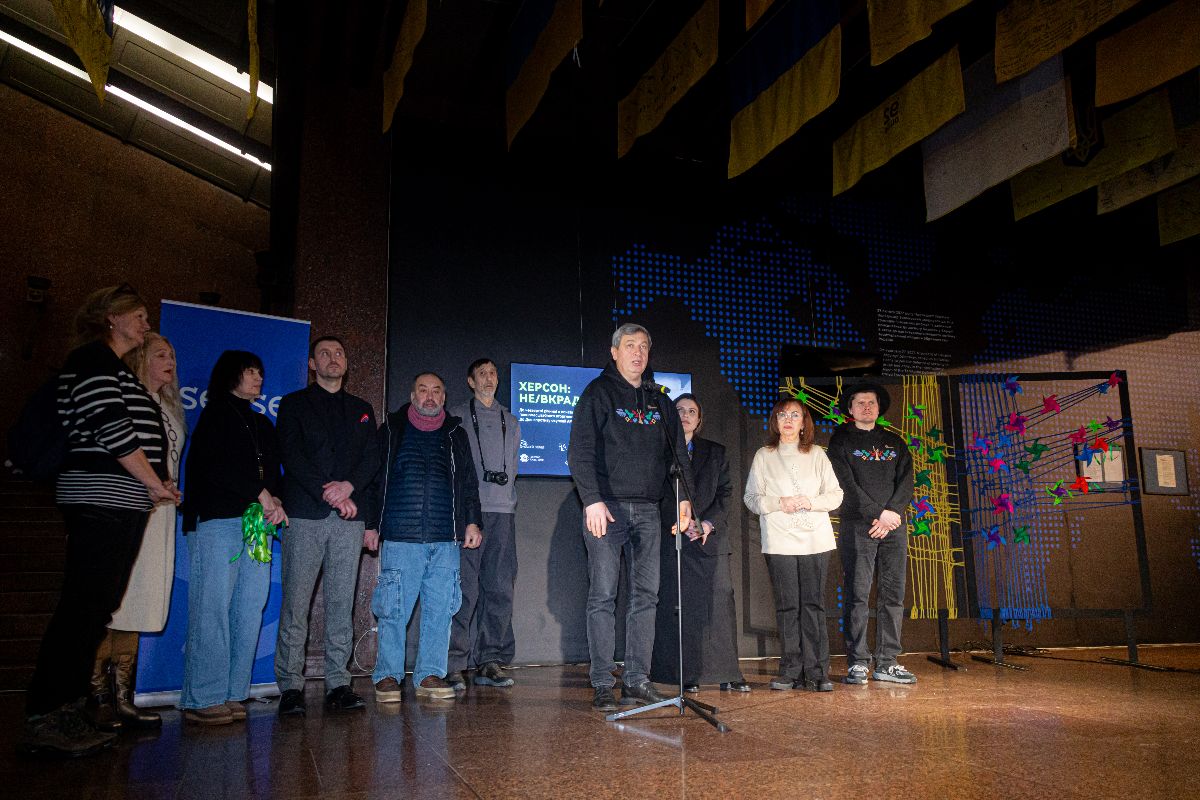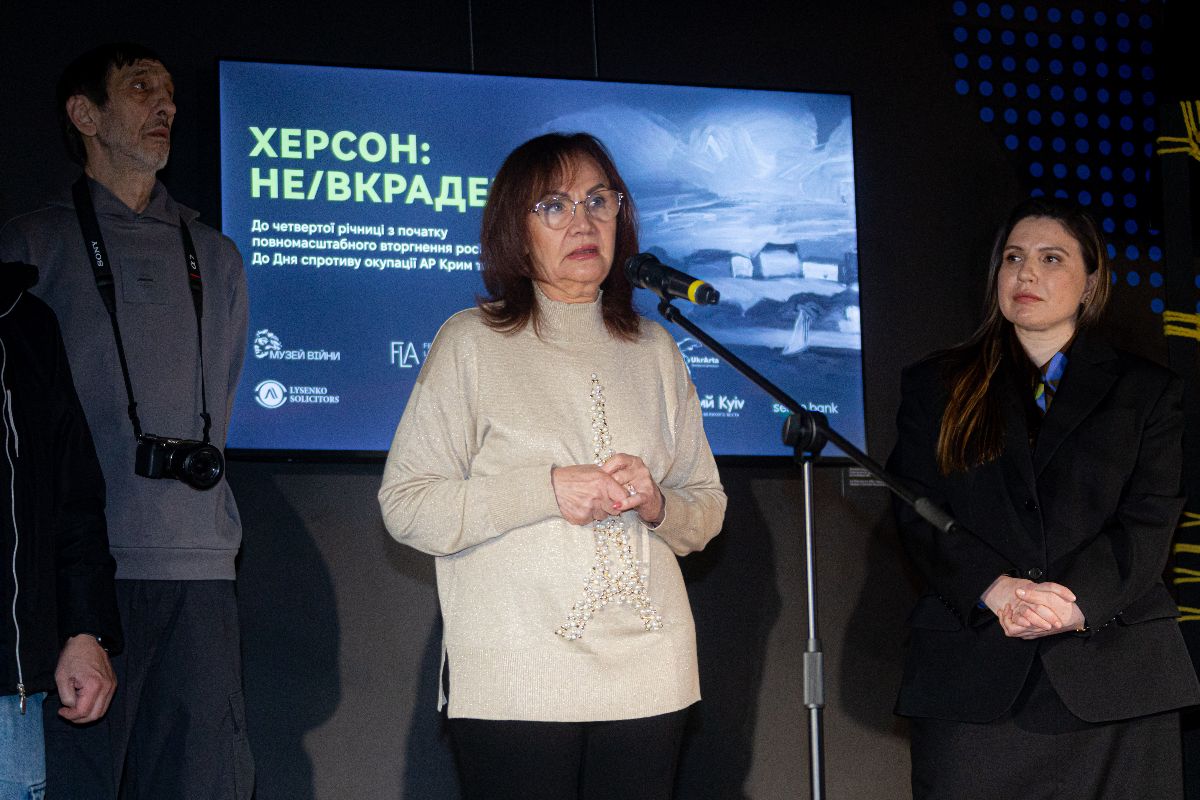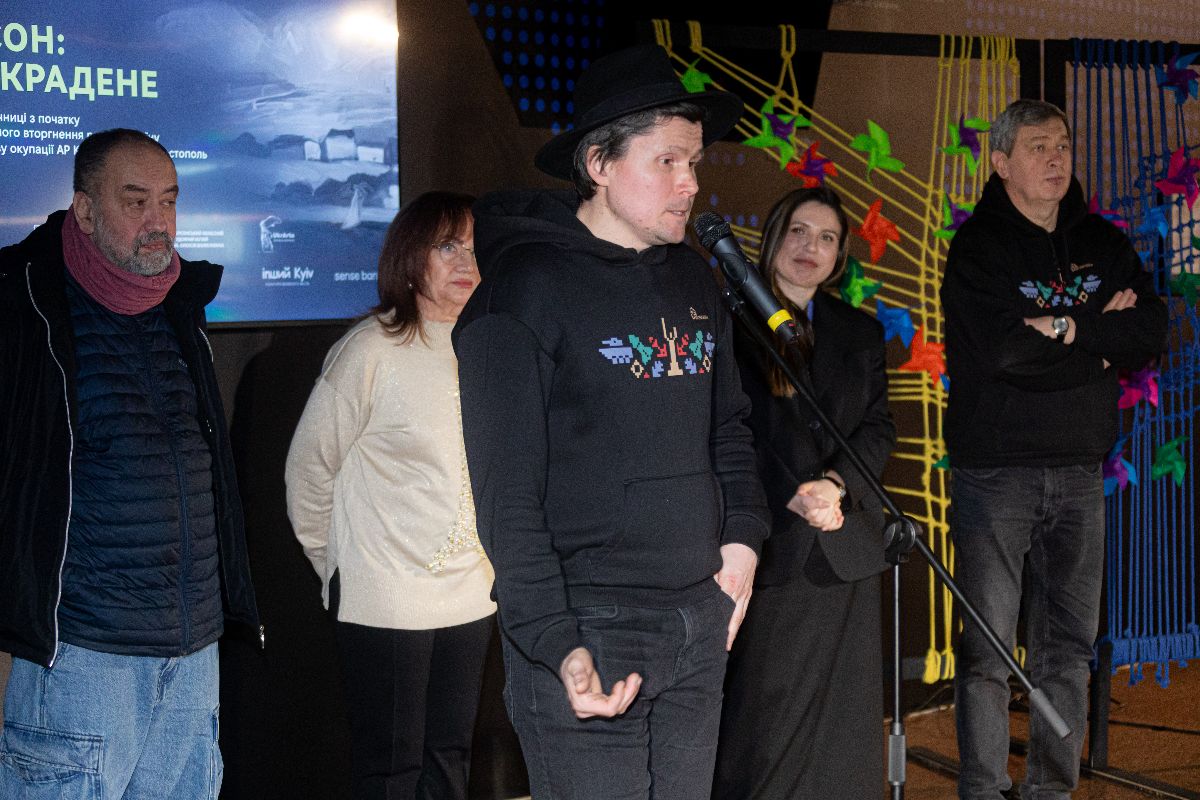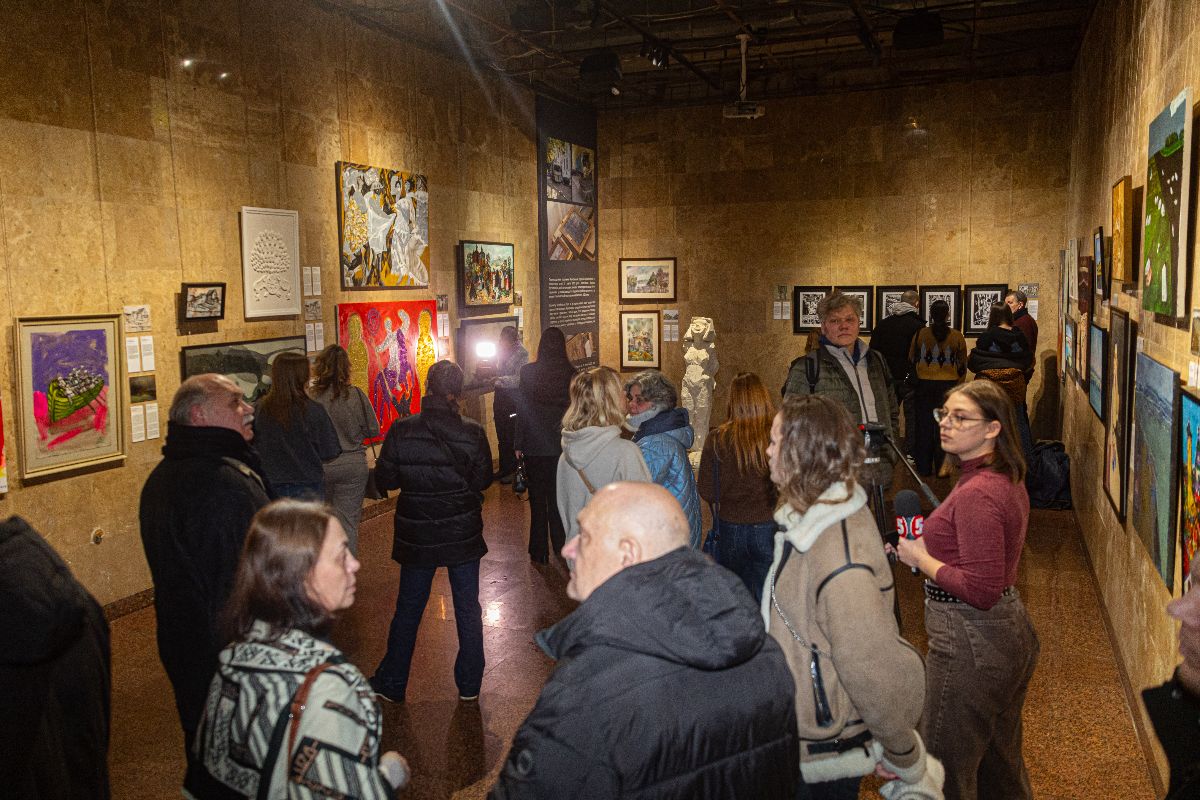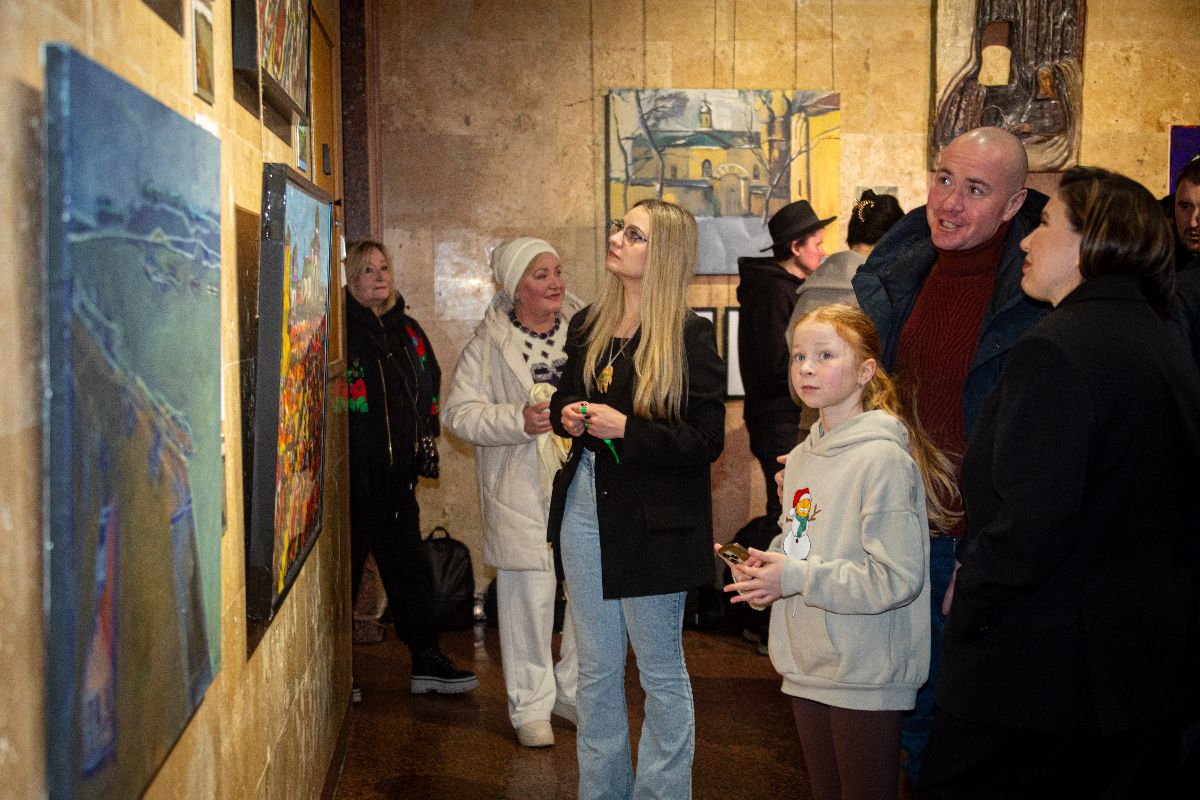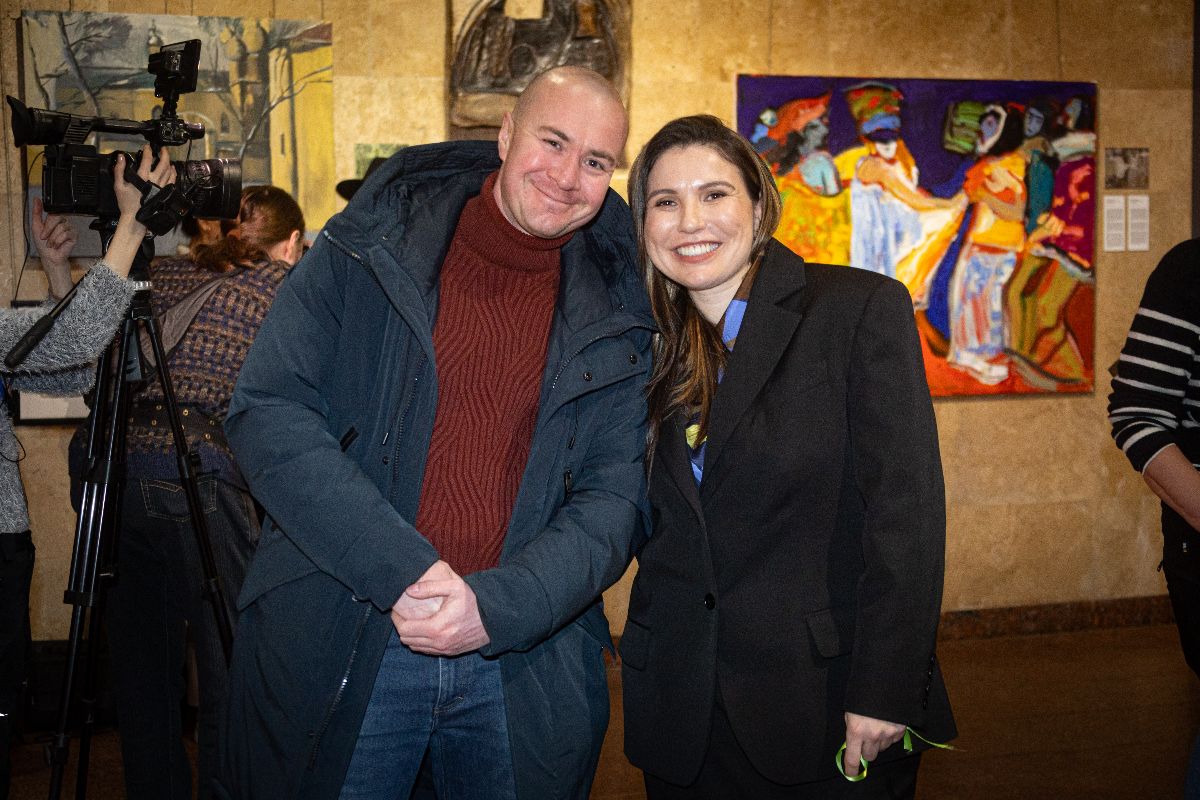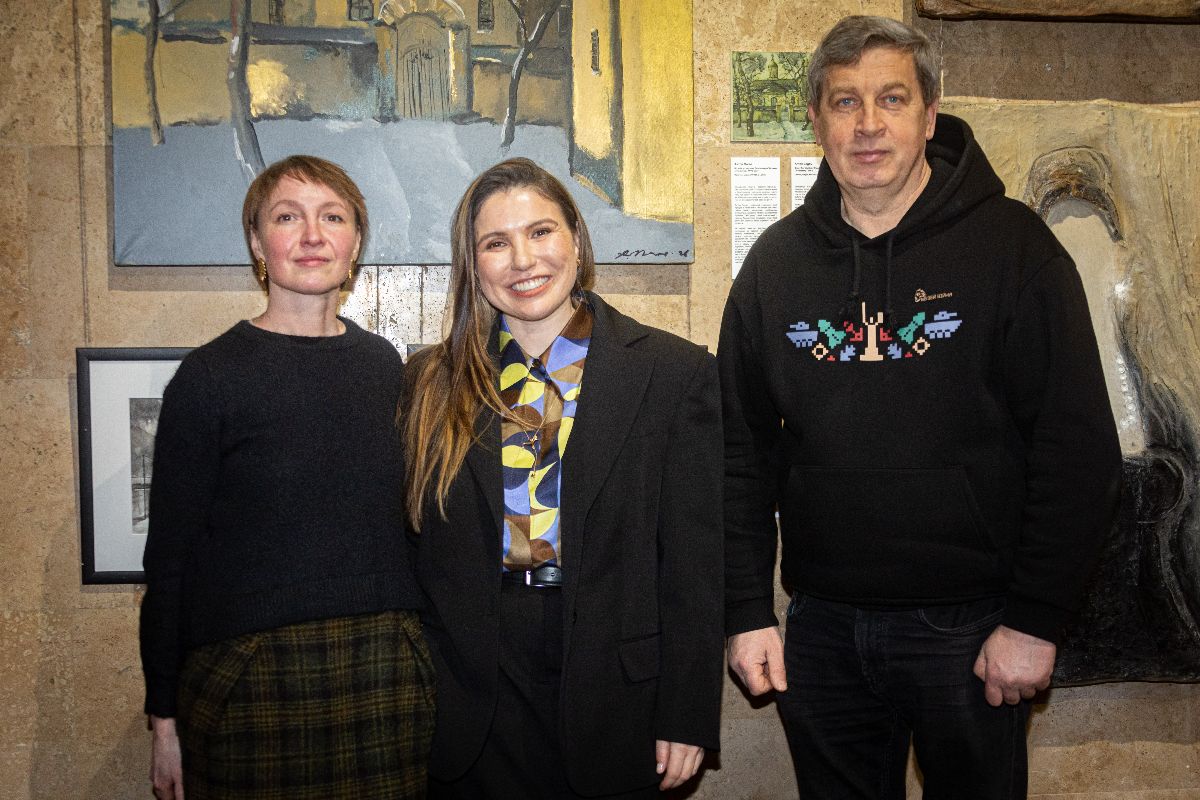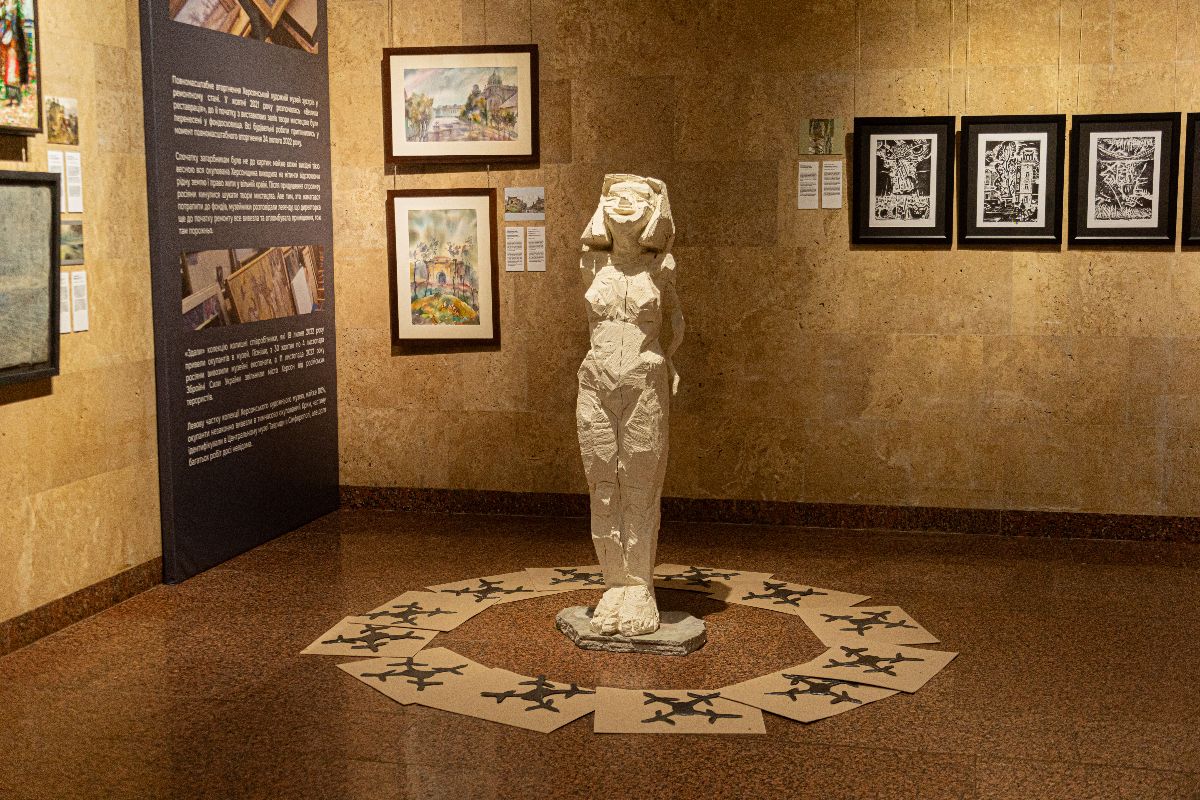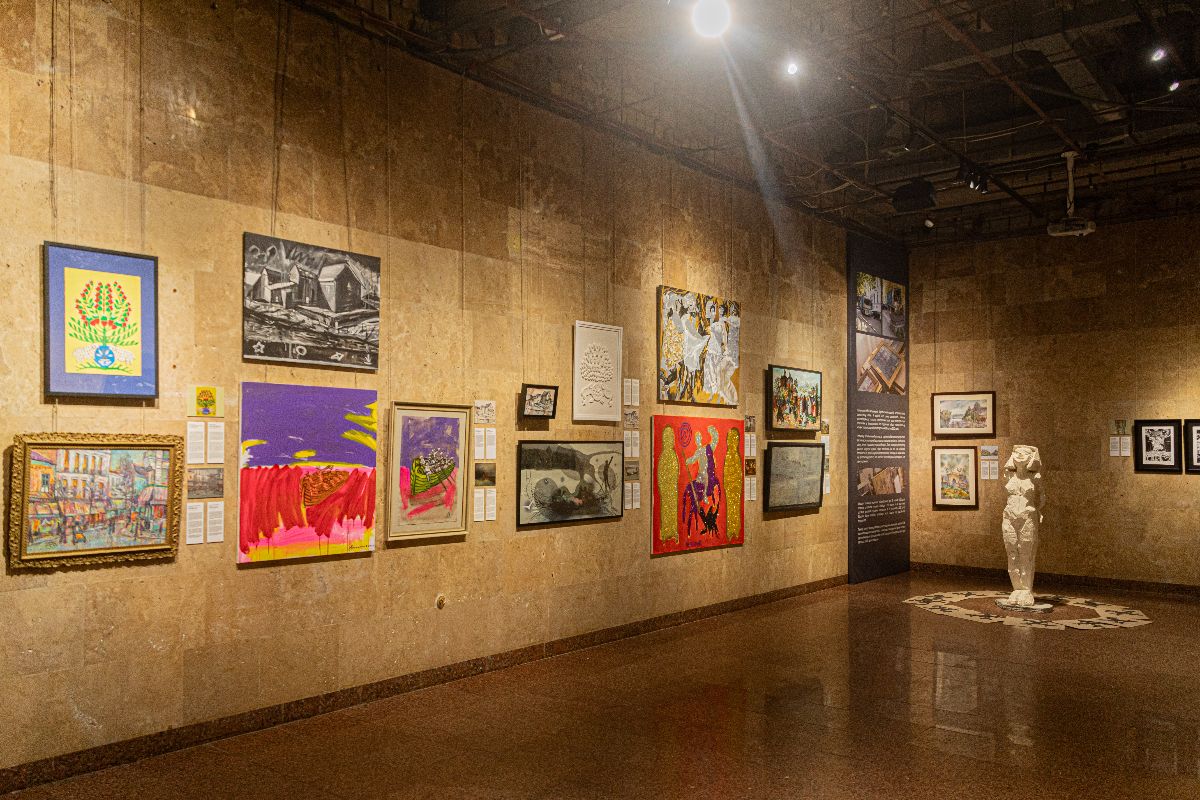


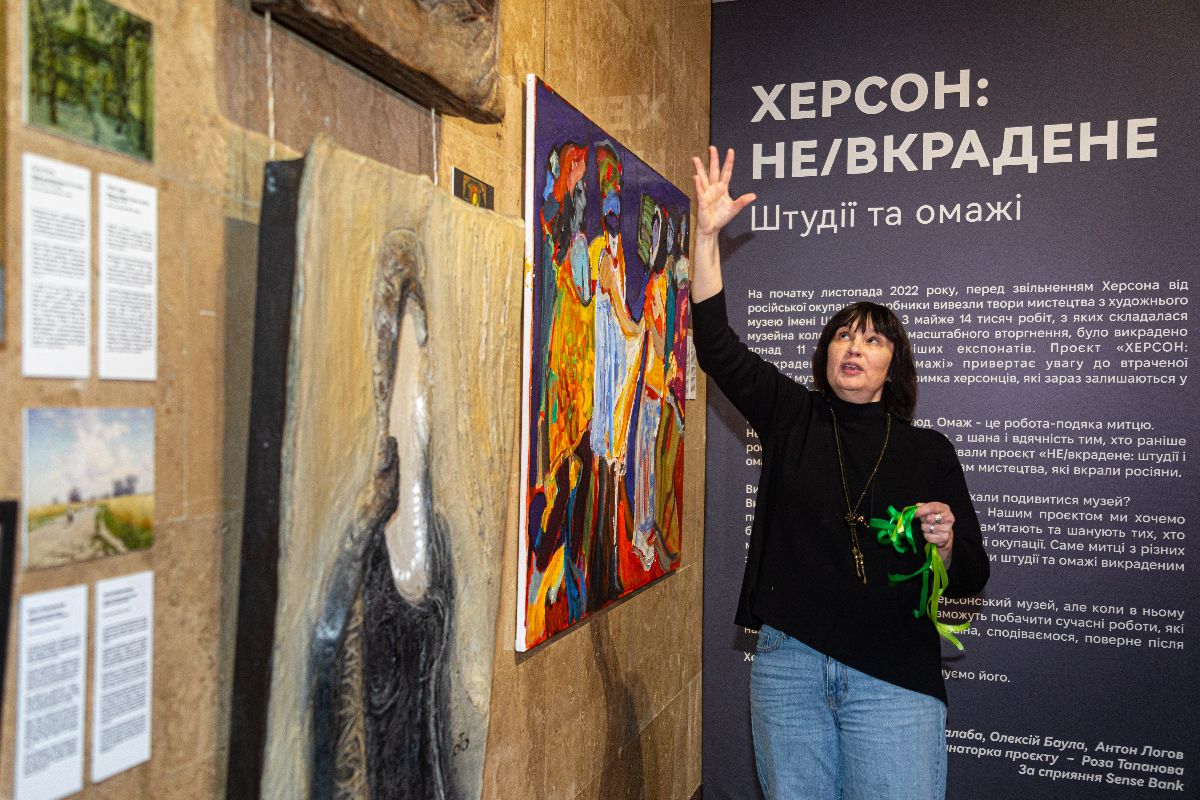
The War Museum hosted the opening of the exhibition ‘KHERSON: NOT STOLEN,’ an art project dedicated to the fourth anniversary of the start of russia's large-scale invasion and the Day of Resistance to Occupation of the Autonomous Republic of Crimea and the City of Sevastopol. This is the second exhibition within the project: the first took place last year in Lviv, featuring 29 works; the presentation at the War Museum includes an additional 9 new studies and homages.
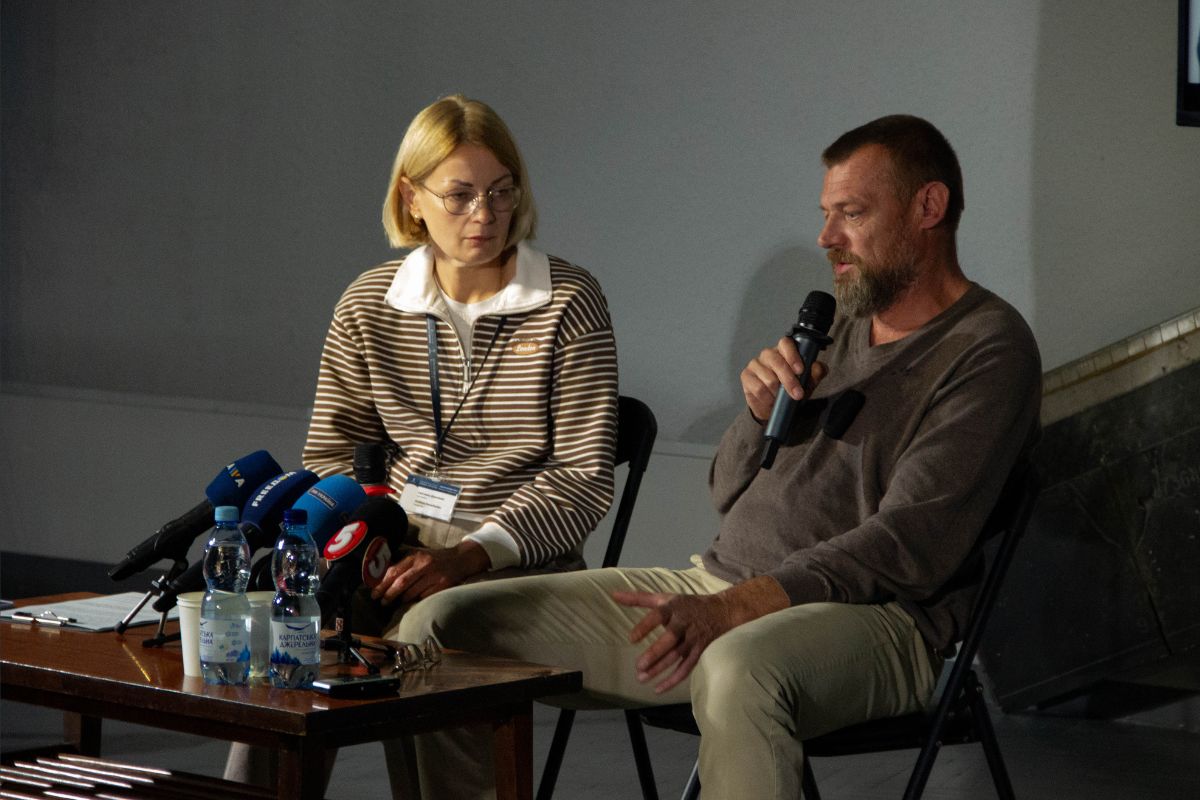
In his speech, Yurii Savchuk, Director General of the War Museum, emphasized that it is vital for our Museum to show solidarity and support fellow museum professionals who are fighting for the return of the collection looted by the occupiers.
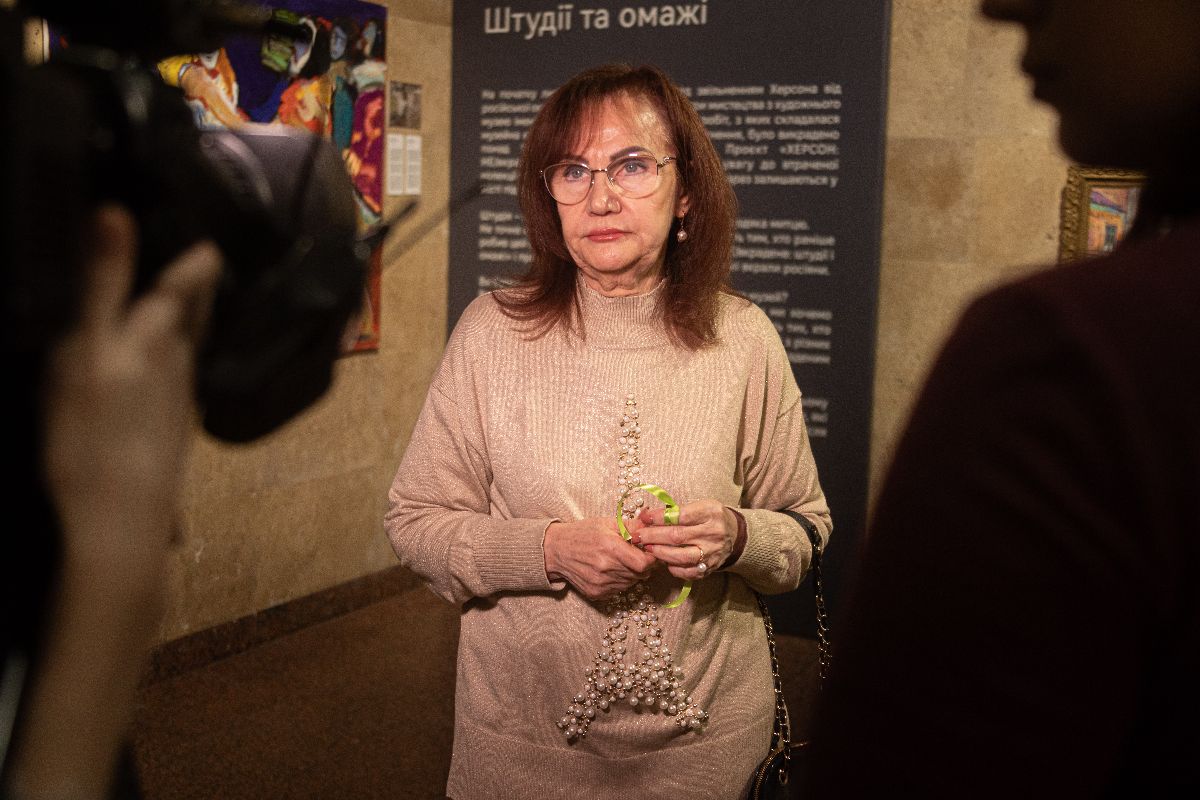
The speech by Alina Dotsenko, Director of the Oleksii Shovkunenko Kherson Regional Art Museum, was particularly emotional. Under her leadership, the museum’s collection grew from 4,000 to over 14,000 exhibits. The collection spanned artworks from the 17th to the 21st centuries, with a geography ranging from America to Japan, and was recognized by experts as a collection of world significance.
Following the occupation of Kherson on March 1, 2022, the museum staff attempted to save the holdings. They managed to hide and preserve all of the documentation; however, between 30 October and 4 November, russian occupiers began transporting the artworks to Crimea. “We were at gunpoint. It was physically impossible to save 14,000 works. But we preserved the documentation, and today we are the first among Ukrainian museums to work with INTERPOL,” she noted. According to her, while the collection remains “in captivity,” it is contemporary artists who are returning the names and meanings of the stolen works to the cultural space.
Project coordinator Roza Tapanova, Director General of the National Historical Memorial Reserve “Babyn Yar”, stressed that the exhibition is a story about the Ukrainian South and the people who did not waver in their choice. “We want you to think more about Kherson and Crimea while looking at these works, for we have always been connected,” she emphasized.
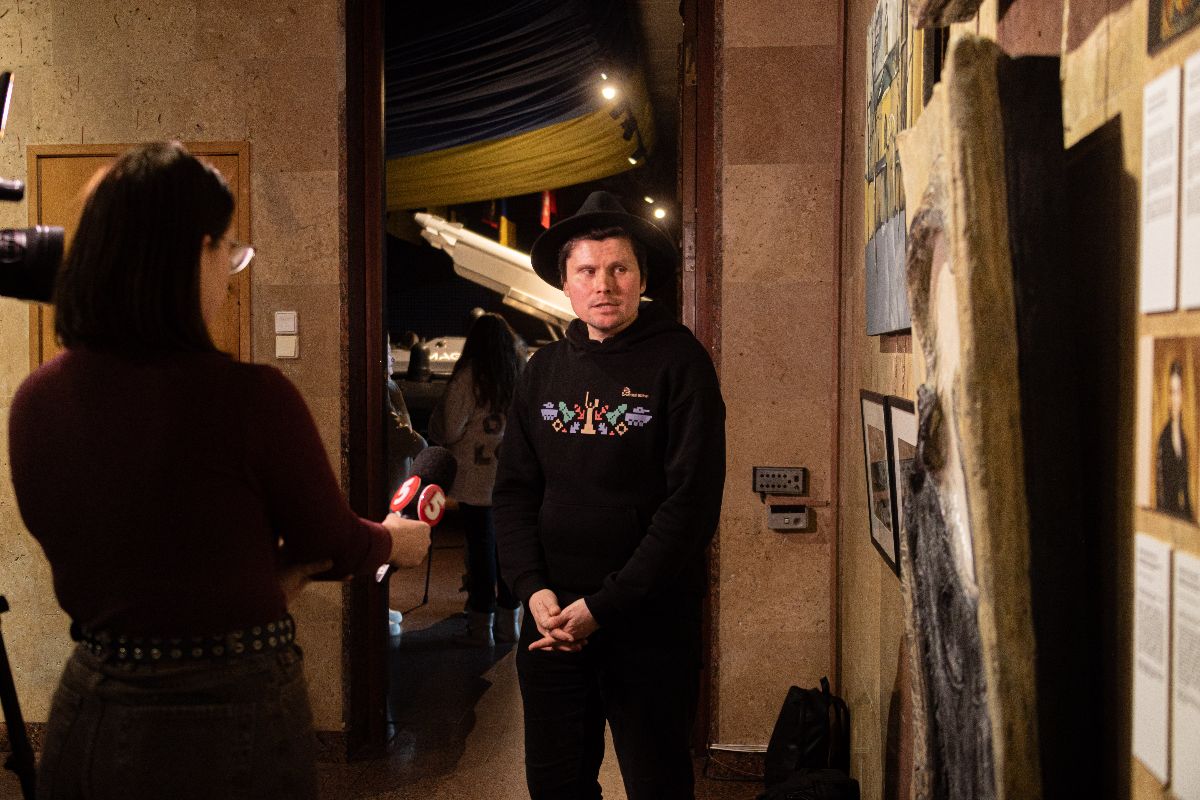
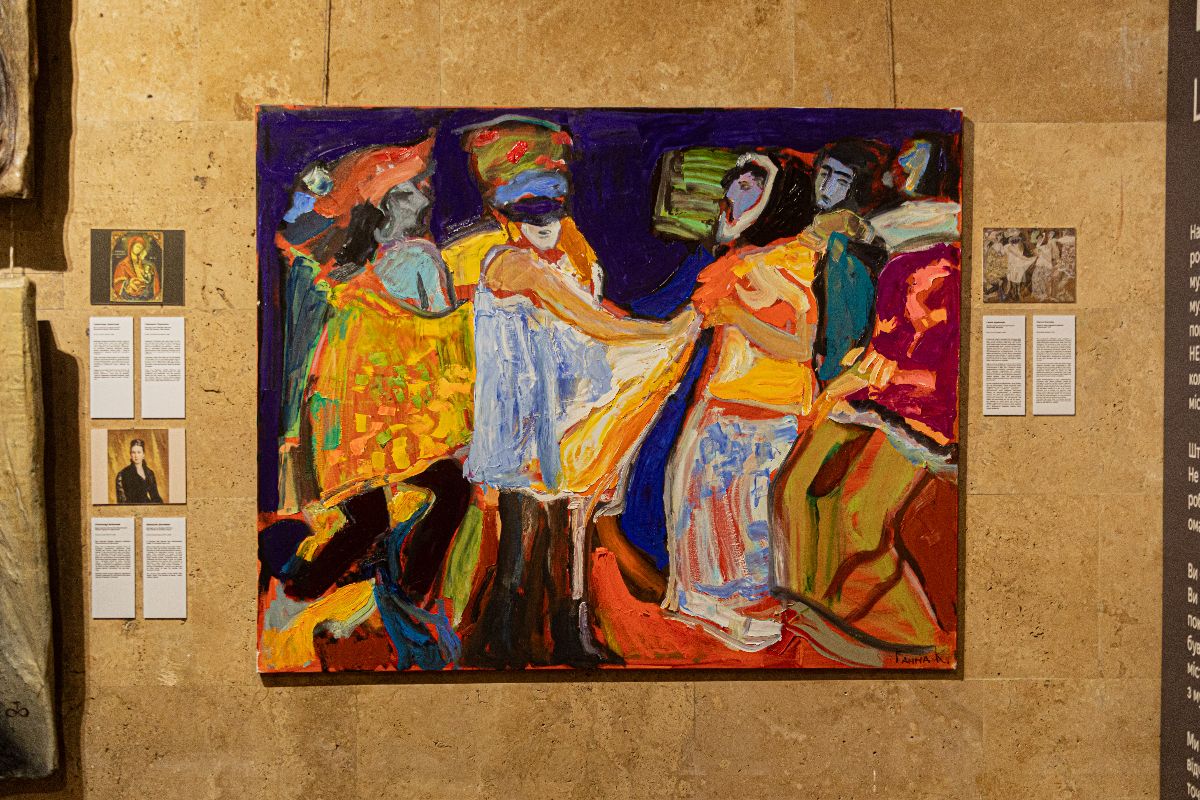
The exposition brought together the works of 26 renowned contemporary artists from across Ukraine, including Matvii Vaisberh, Oleksandr Zhyvotkov, Akhra Adzhyndzhal, Anton Lohov, and others. The artists created studies and homages based on the works stolen from the Kherson Art Museum. These are not replicas or attempts to replace the originals—they are a tribute to the artists whose works were stolen. The artists present at the opening shared their thoughts on the project’s themes and stories of their creative process.
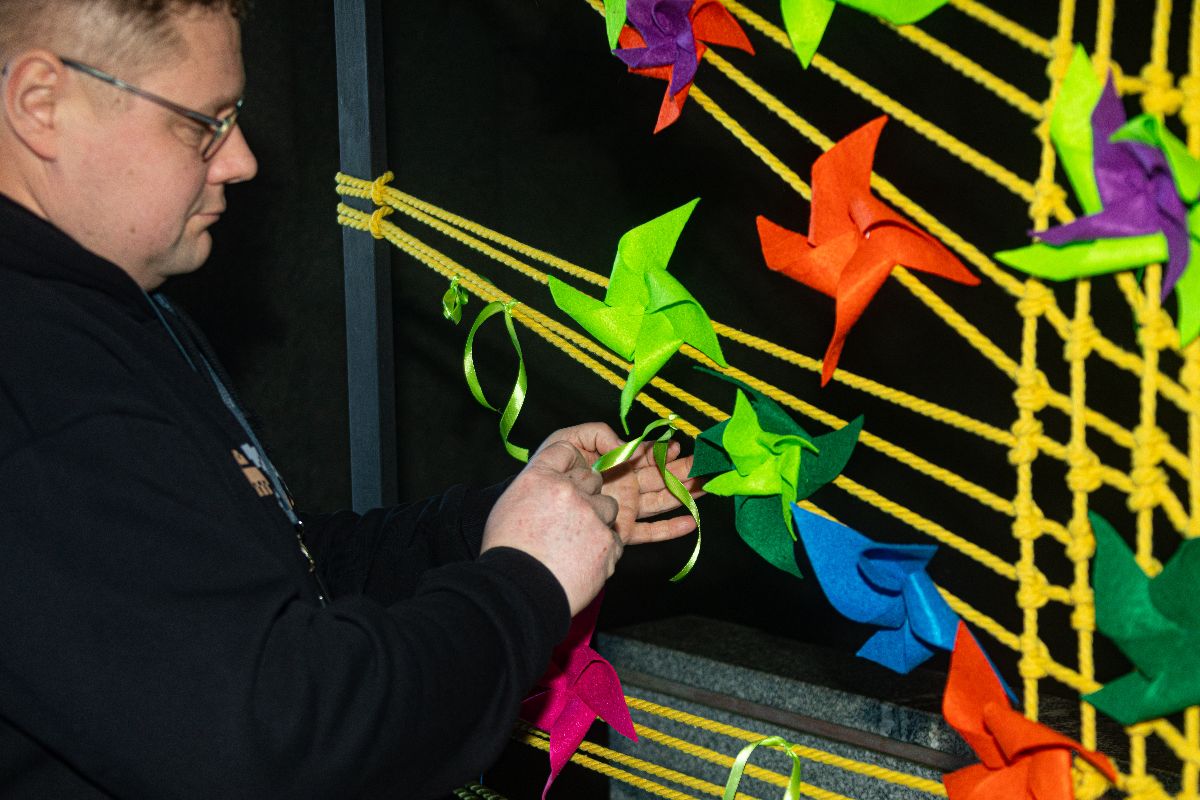
Special symbolism is added to the exhibition by an installation by artist Oksana Tsiupa—a knitted tree, the left and right sides of which represent the occupied and free territories of Ukraine. Every visitor of the exhibition has the opportunity to decorate it with “leaves” by tying green ribbons as a sign of faith in the liberation of all Ukrainian lands.
The exhibition “KHERSON: UN/STOLEN” is not only an artistic event but an act of cultural solidarity. It is a space of memory, support, and confidence that what was stolen will be returned, and that the city of Kherson will flourish.